【ゲストプロフィール】
牧沢長門/Craft Town 代表取締役
静岡県島田市を拠点に、日本の手作り(伝統工芸品やハンドメイド作品)を海外へ販売する支援を行う。EC販売を中心に、現地での展示会や委託販売の支援も行っている。番組「職人フロンティア」の制作メンバー。
The reason pianos are black goes back to the art of lacquer. Nagato Makisawa, CEO of Craft Town, which brings Japanese handwork overseas from Shimada, Shizuoka, talks about which Japanese traditional crafts are valued abroad.
He started his business out of a personal interest in traditional crafts. In Japan, they can feel stiff, expensive, and out of reach. Overseas, with the wave of interest in Japan and Japanese food, their appeal is being rediscovered.
Take ceramics. What gets noticed overseas isn't only durability but the designs painted on the dishes: patterns that change with the season, shapes and motifs chosen to suit the dish. Those distinctly Japanese ideas are received as story and design, not just tableware.
Blades are the same. The Japanese sword is said to be the sharpest blade in the world. The technique of combining different materials so a blade is both strong and keeps its edge lives on in Japanese kitchen knives today.
Lacquer is applied in many layers, which gives it its gloss, and in different light it can even look reddish. That technique has been used for more than bowls: Japan was the first to finish pianos in deep black, and now "piano" and "black" are linked around the world.
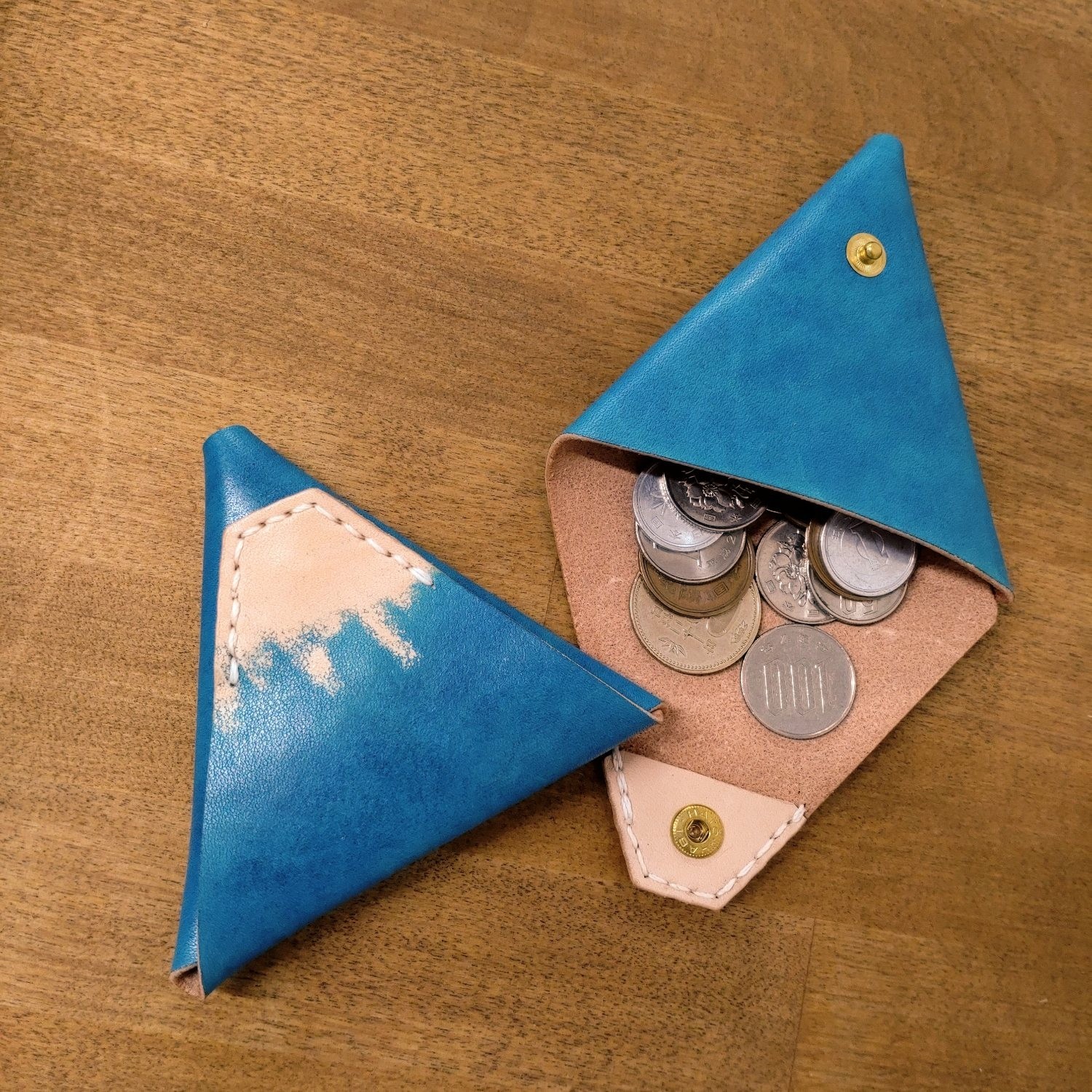
What actually sells overseas, he says, is not expensive pieces but everyday items. Passing on traditional crafts means presenting them in forms that fit the times, and remade kimono, obi, and tatami-trim goods are examples.
His closing message: even if it's just the person next door, he hopes people in the US will share the techniques and stories behind Japanese crafts.